Early Figures
of Christian Mysticism
Listed below are some key early progenitors, major mystical authors and foundational figures of mysticism. As you read about them you notice that there appears to be a spectrum of mystical experiences. At one end is the less paranormal and common experience of mysticism that many Christians identify with, explained in the link under Origen of Alexandria, and at the other end is the much more paranormal, deeper and rare experience of theophanic encounters of the heavenly and many types of supernational phenomena that comes with more suffering. In the rare mystical or theophanic experience one can identify more with the loss of everything and the sufferings of Job and Jacob's vision in Bethel of the angels ascending and descending from heaven and St. Paul's 3rd heaven. Wherever a pilgrim is along the spectrum many of the words of those who passed through the deeper experiences are helpful.
St. Gregory of Nyssa may have been the first mystic to organize the rare deeper experience of the journey of mysticism that you are aware of moving through in distinct phases. It starts out with more dramatic supernatural experiences and then moves in stages preparing you to enter into the darkness where God is seen. In their teachings both St. Gregory of Nyssa and St. John of the Cross described an uncommon form of the mystical journey that was so difficult that most who started it couldn't make it and had to stop.
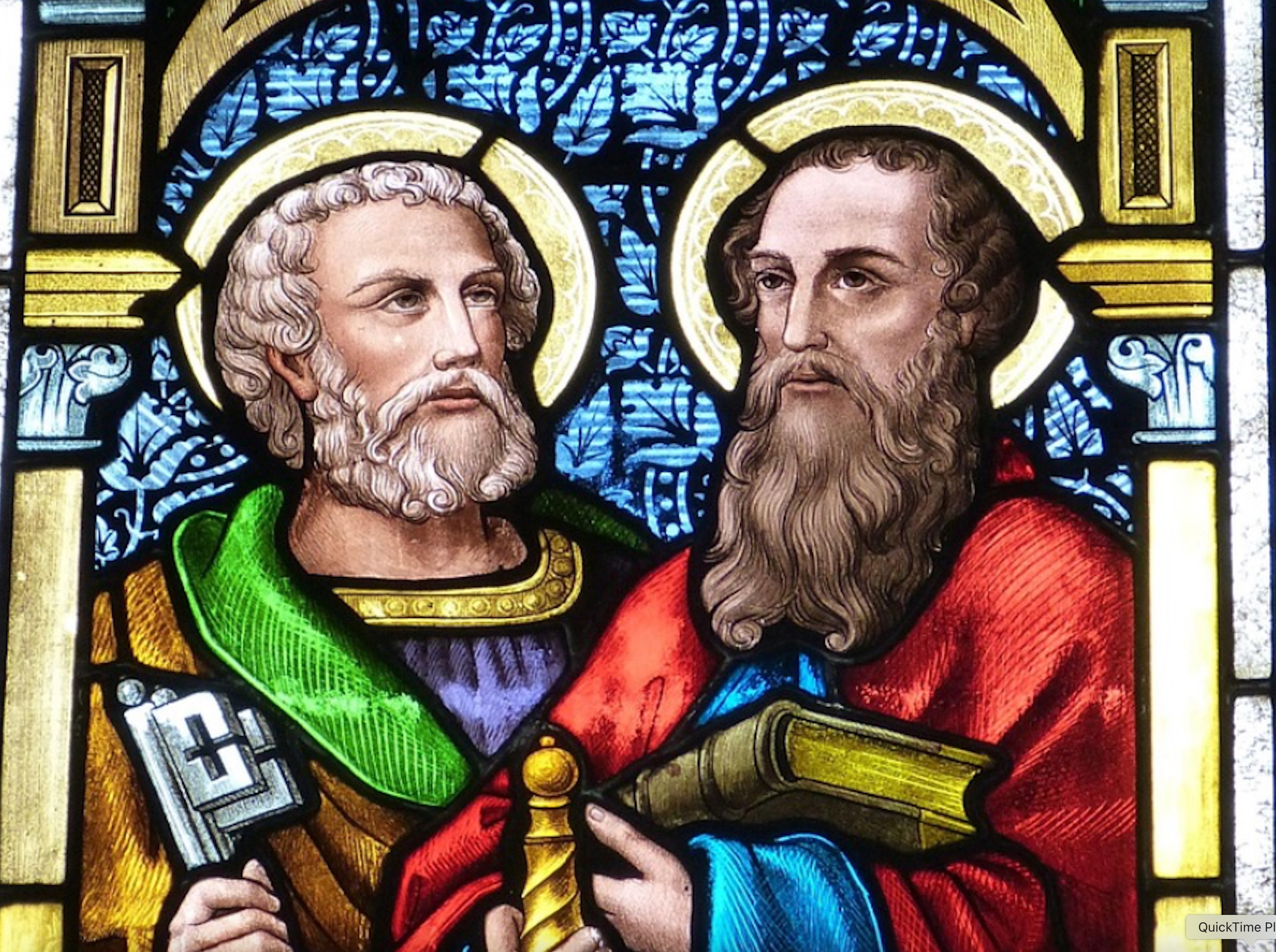
The Apostle Paul (c. 5–64/65 AD): Often cited as Christianity's "original mystic," Paul’s letters contain early mystical themes, such as his vision of being "caught up to the third heaven", and his theology of the believer's union with Christ. His letters contain mystical experiences and language, planting seeds for later mysticism.
The Apostle John (late 1st century AD): His Gospel (especially the prologue's Logos theology) and the Book of Revelation are charged with mystical spirit and provided the scriptural foundation for later mystical thought.
Clement of Alexandria (c. 150–215 AD): Clement was the first Christian to use the term mystikos in relation to spiritual life. He began the tradition of applying allegorical interpretations to Scripture to uncover "hidden" or mystical meanings.
Origen of Alexandria (c. 185-254 AD): Widely regarded as the earliest major speculative mystic in Christian history. His most celebrated mystical work, the Commentary on the Song of Songs, interpreted the text as a mystical allegory of the soul's union with the Divine Bridegroom.
Christian Mystics: Origen of Alexandria
Plotinus (c. 205-270 AD): Though a non-Christian philosopher, his Neo-Platonic ideas profoundly influenced early Christian mysticism, providing a philosophical framework.
Gregory of Nyssa (c. 335-395 AD): A Cappadocian Father known for mystical theology. A key figure who expanded on Origen's work, he is credited with developing a model for the soul's infinite progress, the soul's journey from light to the cloud then into the "Divine Darkness" using the picture of The Life of Moses.
"Dazzling Darkness" The Mystical or Theophanic Theology of St Gregory of Nyssa
Pseudo-Dionysius the Areopagite (late 5th/early 6th century): Though writing centuries later, his works (e.g., Mystical Theology) were pseudepigraphically attributed to a 1st-century convert of Paul. These writings established the "apophatic" (negative) approach to God and became the primary foundation for both Eastern and Western medieval mysticism. He authored the mystical concept of "unknowing".
St John of the Cross, who coined the term "dark night" and organized it into stages, using the pictures of steps on a ladder and an ascent up a mountain, lived 10 centuries later.
Photo from Pixabay
Articles
A Philosophical View — Peter Holleran
A Philosophical View — Peter Holleran
A Philosophical View — Peter Holleran
A Buddhist View — Michael Hawkins
A Hindu View — Philip St. Romain
A Hindu View — Bonnie Greenwell
A Christian View — Julienne McLean
A Jewish View — Julienne McLean
A Psychological View — Julienne McLean
A Psychological View — Judith Orloff
References